Small Kitchen Trash and Recycling Solutions
Published How we research
Trash and recycling are the unglamorous problem that no small-kitchen guide should skip. A standard bin eats floor space you cannot spare, and adding separate containers for recycling and compost quickly turns into a cluster of bins crowding a room that has none to give. Yet a good waste system is essential to daily life, so the goal is to handle trash and recycling in a way that fits a small kitchen without dominating it.
Products from this article
The highest-scoring picks from the buying guides this article links to. Scores are our editorial assessment, not customer ratings.
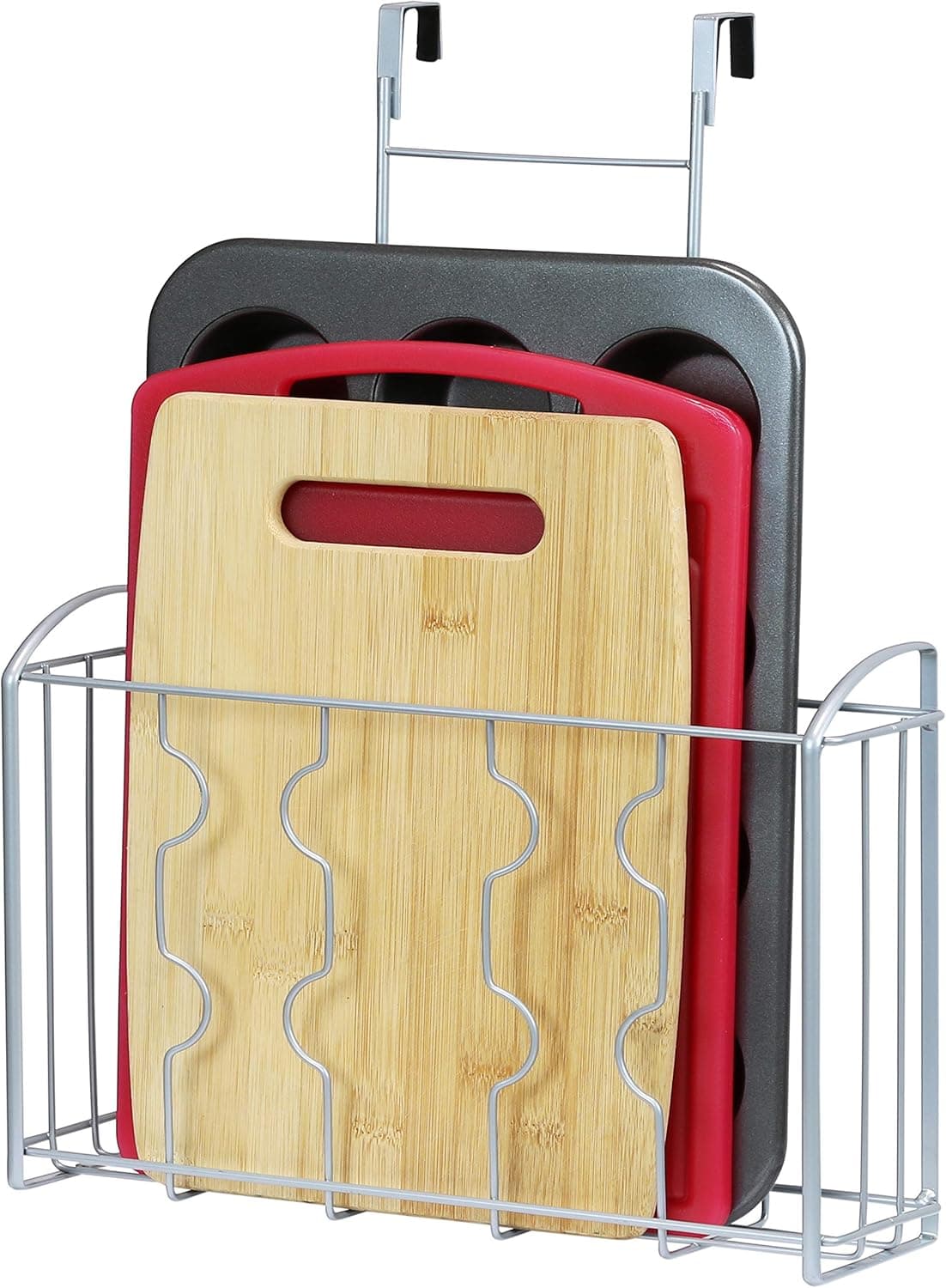
+ Stated 12.5 by 3.75 by 18 inch size makes fit checks easy
From our guide: Best Cabinet Door Organizers for Small Kitchens
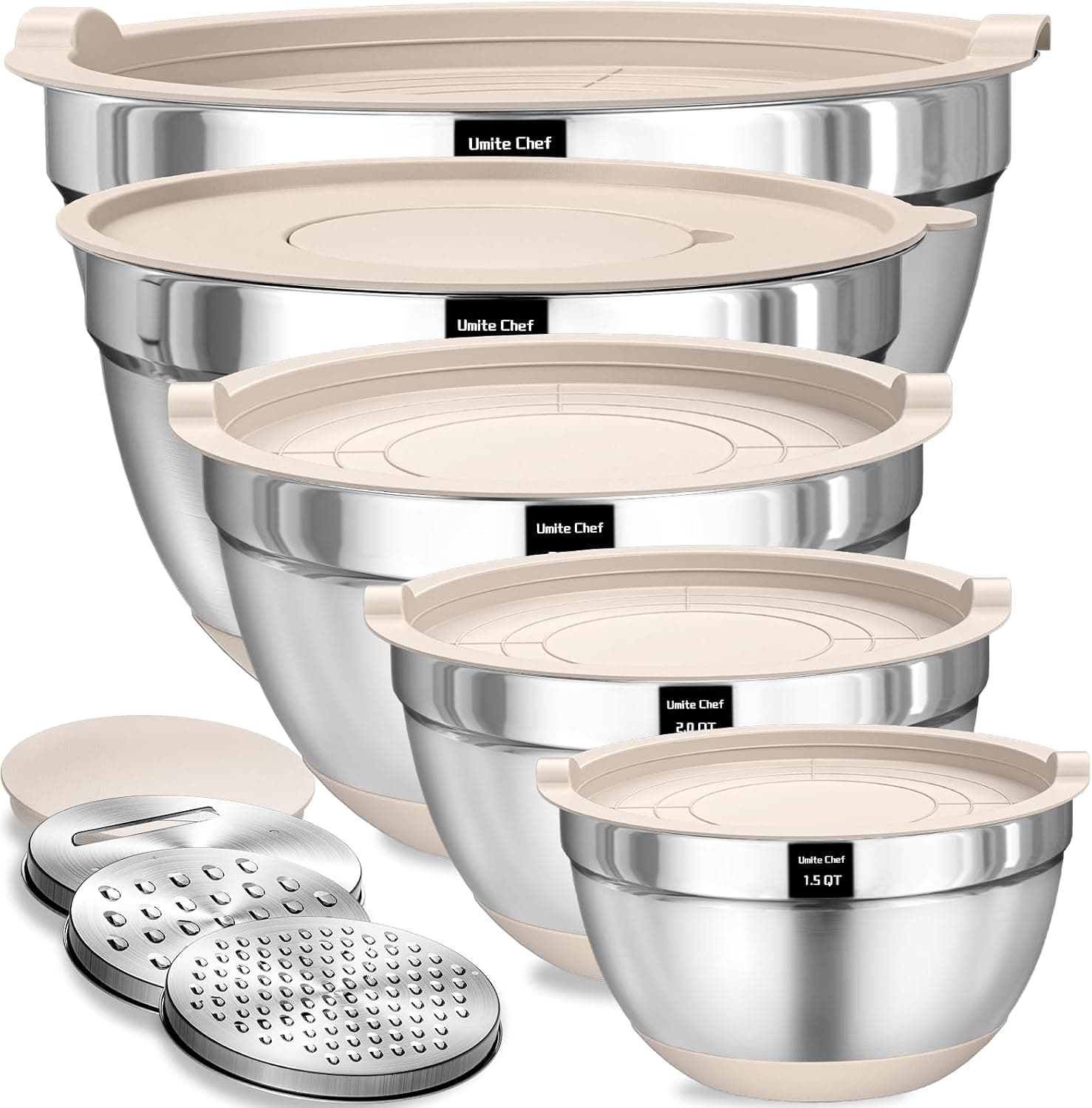
+ Grater attachments make shredding directly into bowls easy
From our guide: Best Nesting Mixing Bowls for Small Kitchens
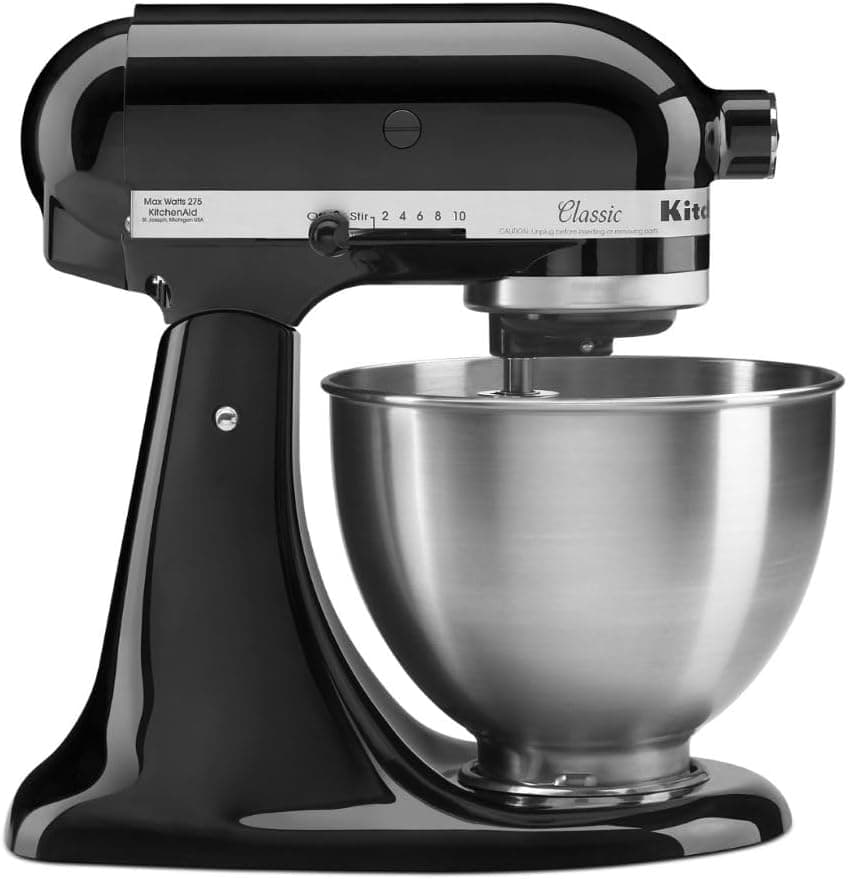
+ 4.5 Quart bowl is a compact size that still handles cookie batches
From our guide: Best Compact Stand Mixers for Small Kitchens
+ Hooks over the cabinet door with no drilling or tools needed
From our guide: Best Cabinet Door Organizers for Small Kitchens
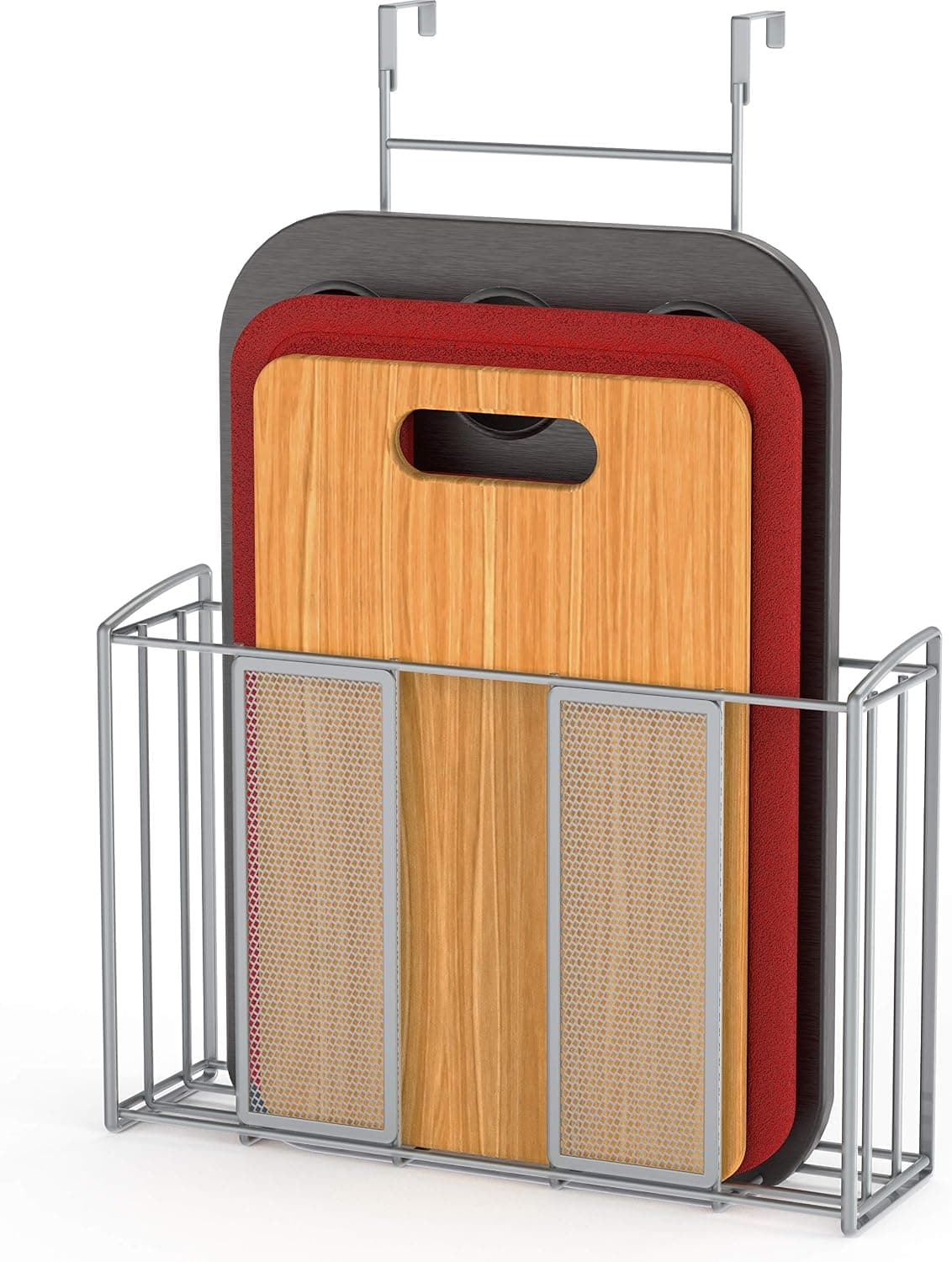

The single best move is to get the bin off the floor and into a cabinet. A pull-out bin mounted inside a lower cabinet or under the sink hides your trash completely, freeing the floor and keeping odors and clutter out of sight. Many systems hold two containers side by side, one for trash and one for recycling, so you sort as you go within a single cabinet. If you rent or cannot mount hardware, a simple bin that slides in and out of a cabinet achieves much of the same benefit.
When a bin must sit out, choose one that works vertically rather than sprawling. A tall, slim bin occupies a narrow slice of floor, and a dual-compartment version stacks trash and recycling into one footprint instead of two. A bin that tucks into a corner or against the end of a cabinet run stays out of the walkway. In a small kitchen, the shape and placement of the bin matter as much as its capacity.
Go vertical for recycling and secondary streams. Recycling does not have to live in a floor bin at all; a hanging bag or a bin mounted on the inside of a cabinet door catches cans and bottles while using space that was otherwise empty. Stackable sorting bins let you build recycling upward in a pantry or closet corner rather than outward across the floor. The trick is to route each waste stream to unused vertical or hidden space instead of adding another floor container.
Manage the reality that a small kitchen fills its bins fast. Because a compact bin has limited capacity, empty it frequently and break down boxes and containers to save volume, so recycling does not overflow between trips. Crushing cans and flattening cartons dramatically increases how much a small bin holds. Establishing a rhythm of taking waste out often is part of the system, since you simply do not have room to let it accumulate.
Contain odors and mess, which are worse in a confined space. A bin with a lid, a supply of liners, and the occasional wipe-down keeps a small kitchen from smelling like its trash, which matters more when the kitchen is close to living and sleeping areas. If you compost, a small counter or freezer container for scraps controls smell until you can empty it, avoiding a dedicated floor bin for organics.
The overall approach is to treat waste like any other storage challenge in a small kitchen: hide it, stack it, and route it to unused space. Tuck the main bin into a cabinet, send recycling up a wall or onto a door, keep everything lidded, and empty often. Handled this way, trash and recycling stop being the eyesore that undoes an otherwise tidy small kitchen and become just another well-managed part of the room.
Popular right now
- Compact Appliances Every Small Kitchen NeedsArticle
- Best Compact Stand Mixers for Small KitchensBuying guide
- Best Milk Frothers for Small KitchensBuying guide
- Best Space-Saving Kitchen Appliances for Small KitchensBuying guide
- Best Compact Electric KettlesBuying guide
- Best Lazy Susans for Cabinets in Small KitchensBuying guide
Based on the last 28 days of search and visitor data.